
Watermills are a defining feature of the Cam Valley
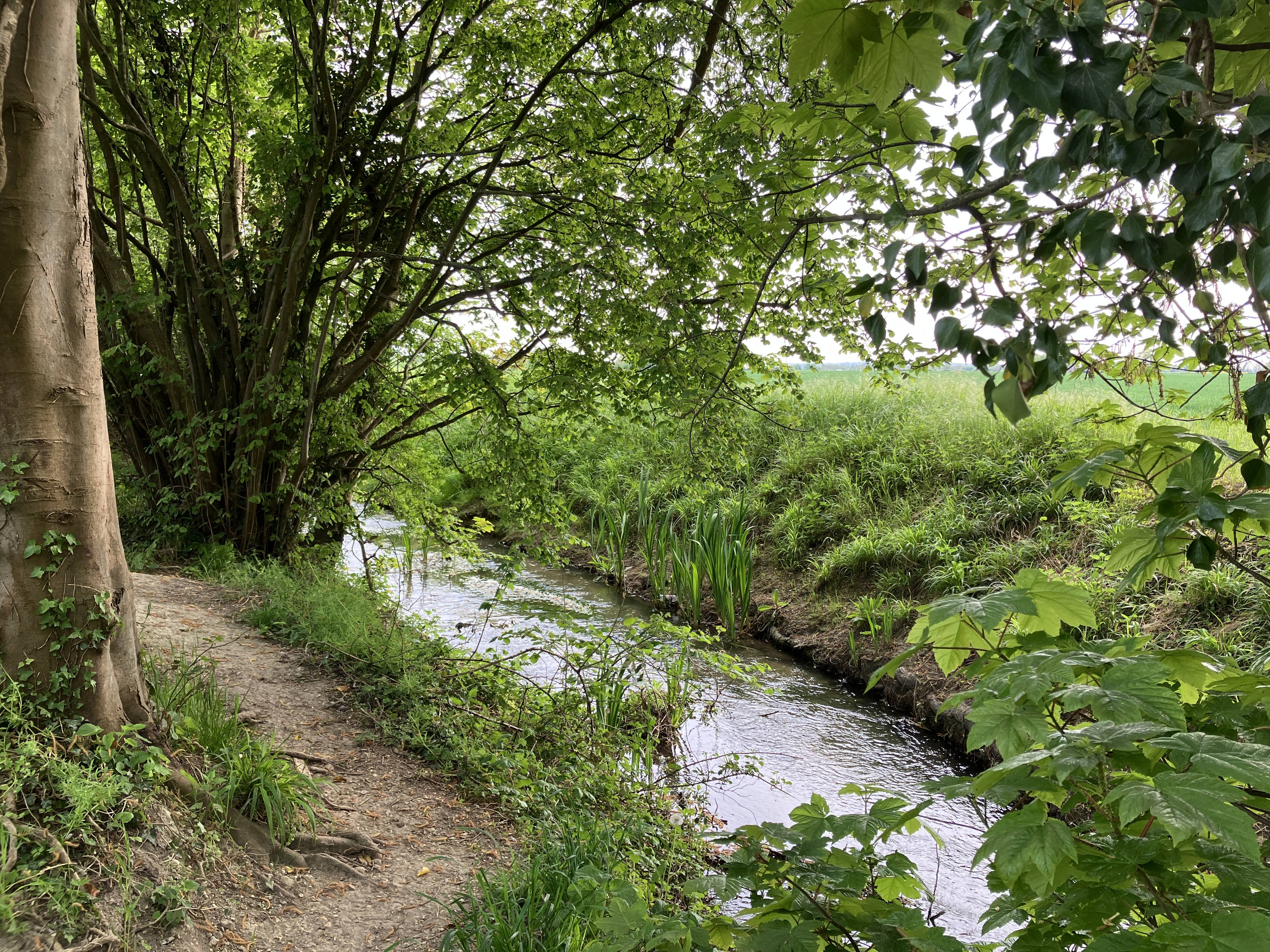
The area’s gentle rivers, such as the River Cam and its tributaries, provided a reliable source of flowing water to power machinery long before industrialisation. From at least the medieval period (and often much earlier), watermills were built at key points along these waterways to grind grain for local communities, making them essential to rural life and manorial economies. Many villages in South Cambridgeshire had one or even several mills recorded as early as the Domesday Book (1086), and most of the surviving buildings date from the 17th to 19th centuries, when earlier structures were rebuilt or improved.
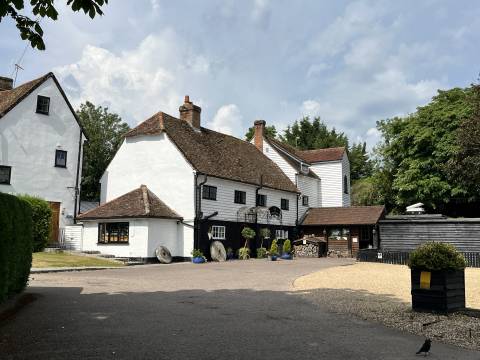
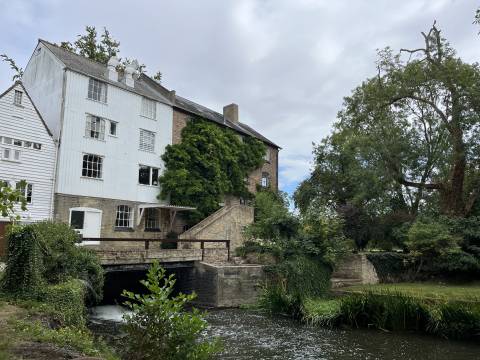
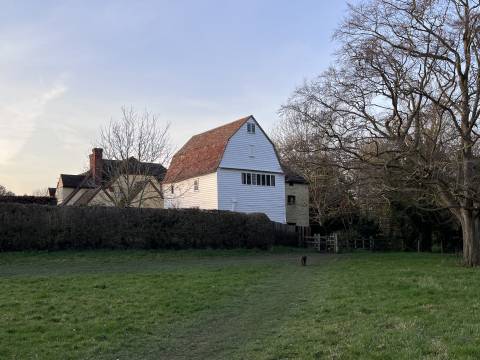
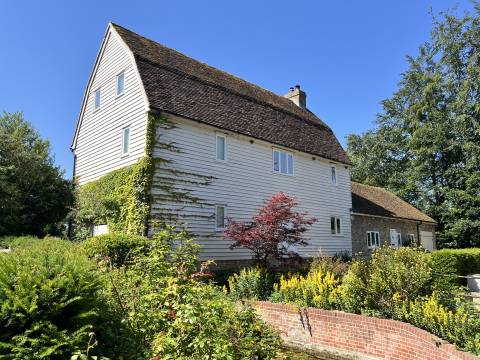
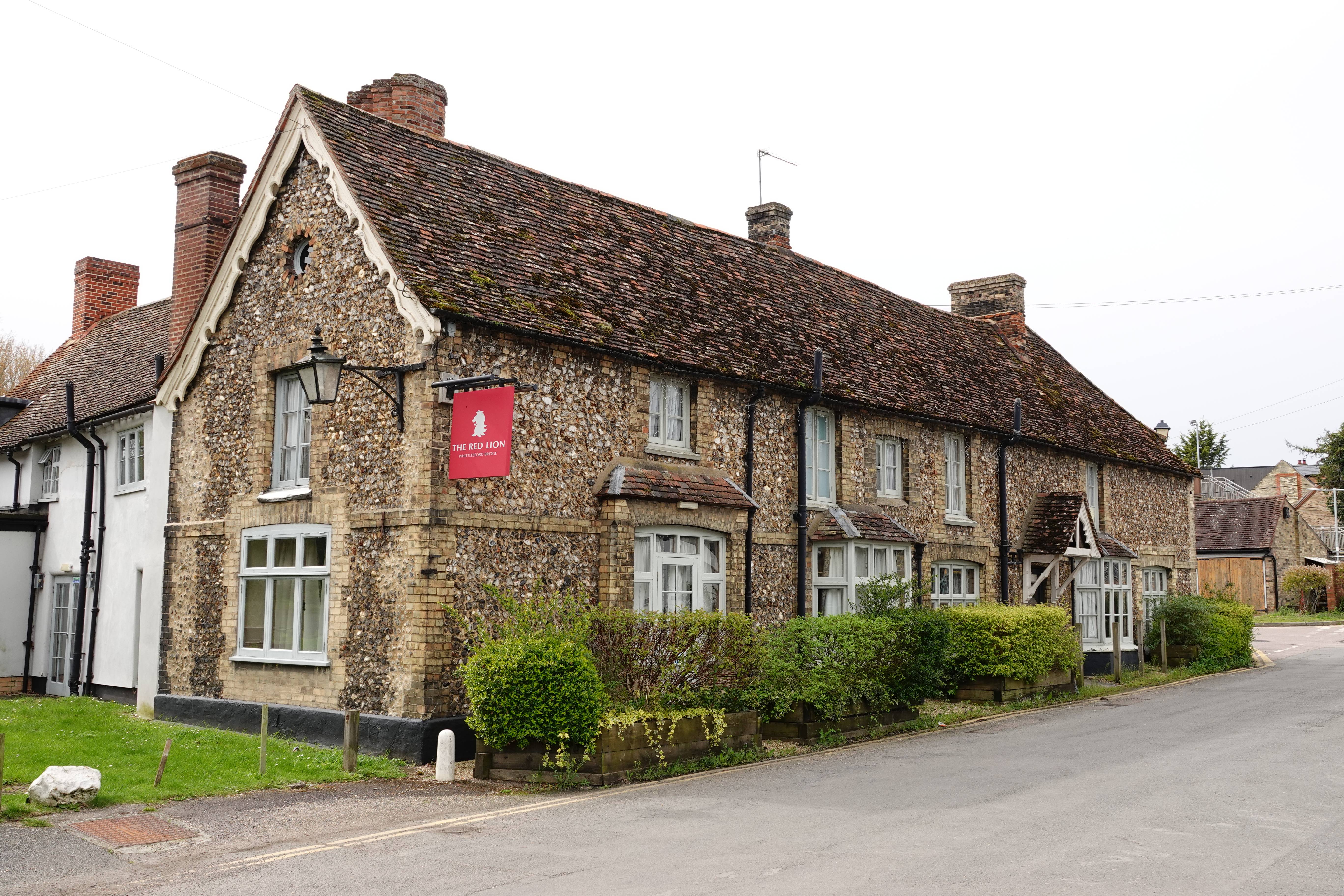
Although each mill has its own history, they often look quite similar. This is because they were constructed using the same local materials and techniques, typically timber frames, weatherboarding, and tiled roofs, adapted to sit alongside a mill stream or leat. Function dictated form: mills needed space for machinery, waterwheels, and grain storage, leading to their characteristic tall, narrow shapes and riverside settings. Over time, as milling declined, many were converted into houses, inns or restaurants, but their shared origins are still visible in their consistent scale, materials, and relationship to the water that once powered them.
Discover Watermills in the Cam Valley
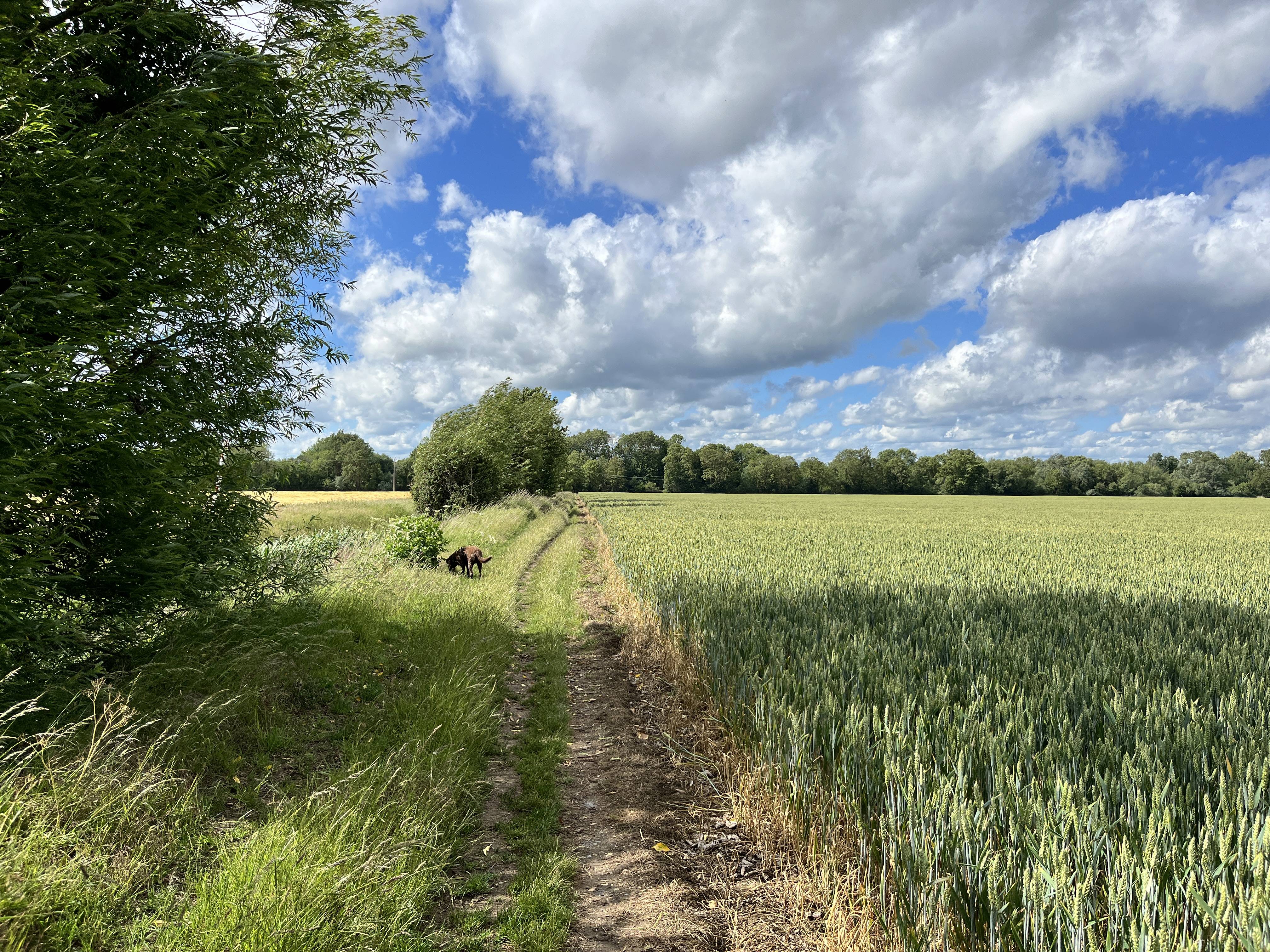
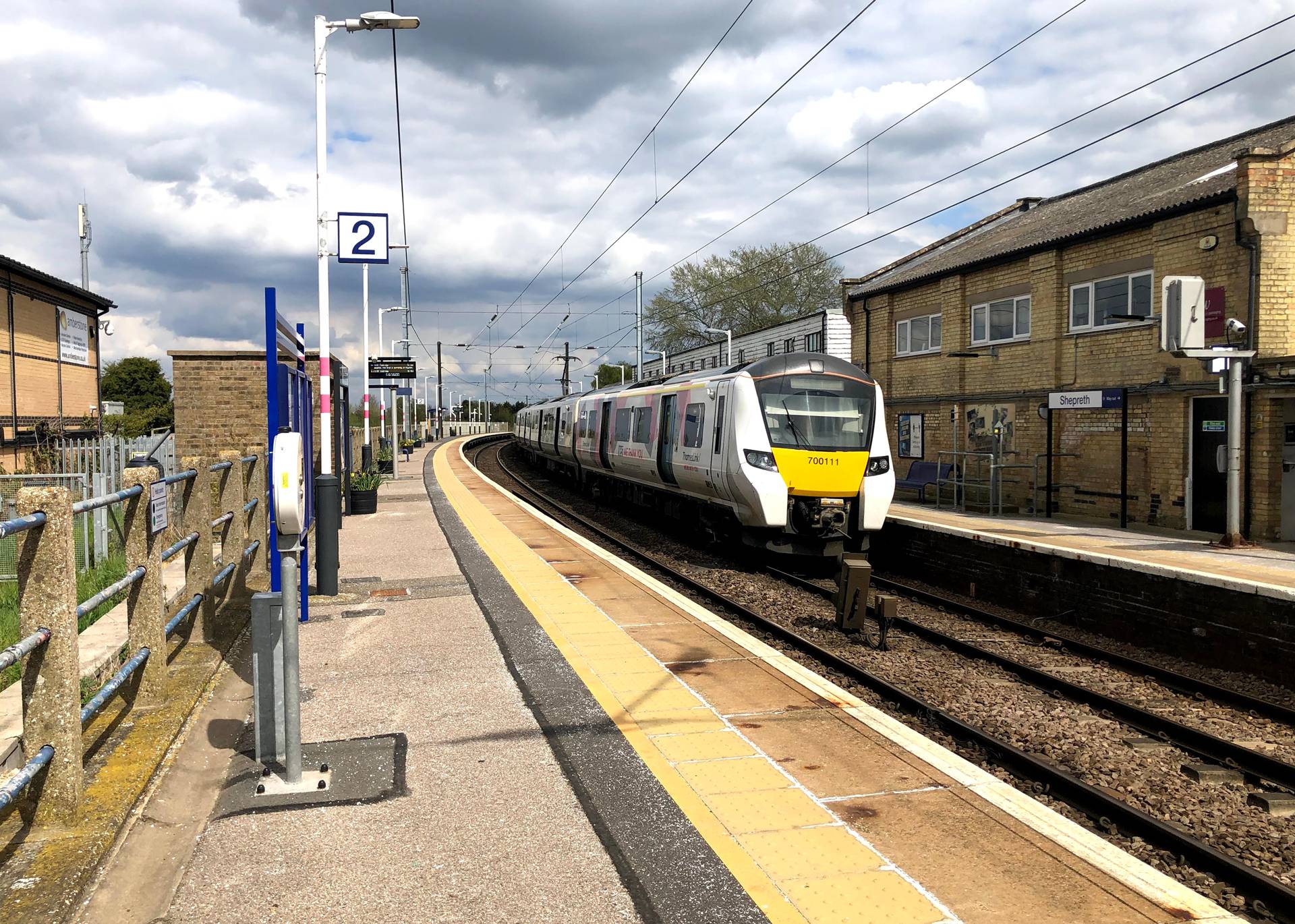
Step off the train and discover a landscape shaped by water. Along the Cam Valley line, a chain of historic watermills tells the story of how villages grew beside rivers, harnessing their steady flow to grind grain and power local industry.